Are you ready to elevate your impact socket safety game? Whether you’re a professional mechanic or a weekend warrior, adhering to proper safety protocols protects you and ensures your tools perform at their peak. Every year, improper use of automotive and industrial tools leads to injuries costing millions. But with the right approach, you can easily avoid becoming part of these alarming statistics.
This guide breaks down seven essential safety rules for using impact sockets effectively and safely. Learn how proper tool selection, maintenance, and safety practices can transform your workspace into an efficient, safe haven.
Key Takeaways
- Always use impact-rated sockets to handle high-torque applications.
- Wear proper safety equipment such as goggles, gloves, and protective footwear.
- Regular inspections and proper maintenance extend tool life and ensure safety.
- Correct air pressure and drive size matching are vital for safe operation.
- Proper storage practices safeguard your sockets from premature wear and damage.
1. Always Choose Impact-Rated Sockets
Impact-rated sockets are specifically engineered to handle the extreme forces generated by impact wrenches. Unlike standard chrome sockets, impact sockets are typically made from chrome-molybdenum steel, designed to flex slightly during use to absorb stress without cracking or shattering.
Key safety tip: Never use chrome sockets with impact tools. Chrome sockets can fracture under pressure, potentially causing serious injury.
2. Prioritize Personal Protective Equipment (PPE)
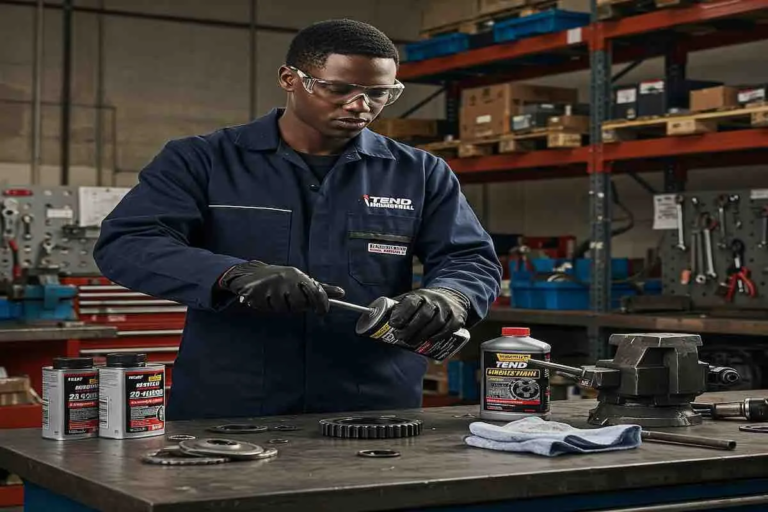
Proper safety gear is non-negotiable when using high-powered tools. Essential PPE includes:
- Safety goggles with side shields to protect against flying debris.
- Heavy-duty gloves for hand protection and improved grip.
- Steel-toed boots to protect feet from heavy falling objects.
- Hearing protection to safeguard ears from the high decibel levels produced by impact tools.
Ensure your PPE complies with ANSI standards to guarantee maximum protection.
3. Maintain Optimal Air Pressure
Pneumatic impact tools typically require around 90 PSI for optimal performance. Exceeding this pressure can lead to tool damage and injury risks. Lower-than-recommended pressures can reduce effectiveness and may also compromise safety.
Regularly check and maintain air pressure levels with an accurate regulator and gauge to avoid unexpected malfunctions or performance issues.
4. Conduct Thorough Pre-Use Inspections
Always inspect your impact sockets and tools before use. Look for:
- Cracks or chips on the socket surface.
- Worn or rounded drive squares.
- Proper functioning of retaining rings and pins.
Remove any damaged tools from service immediately to prevent accidents.
5. Secure Workpieces Properly
Always firmly secure your workpiece before operating impact tools. Use vises or clamps designed to withstand high-torque applications. Never hold a workpiece manually during operation, as it can easily become a dangerous projectile.
Ensure your workspace is clean, stable, and free of obstructions, improving safety and productivity.
6. Use Correct Adapters and Drive Sizes
Only use adapters rated for impact use. When adapting socket drive sizes, limit conversions to a single step (e.g., 1/2″ to 3/8″). For larger sizes (3/4″ and above), use retaining rings or pins for secure attachment. Always match socket and adapter specifications with your tool’s rated torque.
Avoid using worn or damaged adapters as they may fail under load, increasing the risk of injury.
7. Adhere to Proper Operating Procedures
Using your impact sockets correctly involves:
- Ensuring full engagement of the socket on the fastener before applying torque.
- Maintaining proper alignment to prevent socket slippage.
- Avoiding continuous tool operation without short intervals of rest.
Never force the tool; let the torque perform the work safely and effectively.
Maintenance and Storage Tips
Regular maintenance and proper storage significantly extend the life of your sockets:
- Clean sockets after each use to remove dirt and debris.
- Lubricate regularly to protect against corrosion.
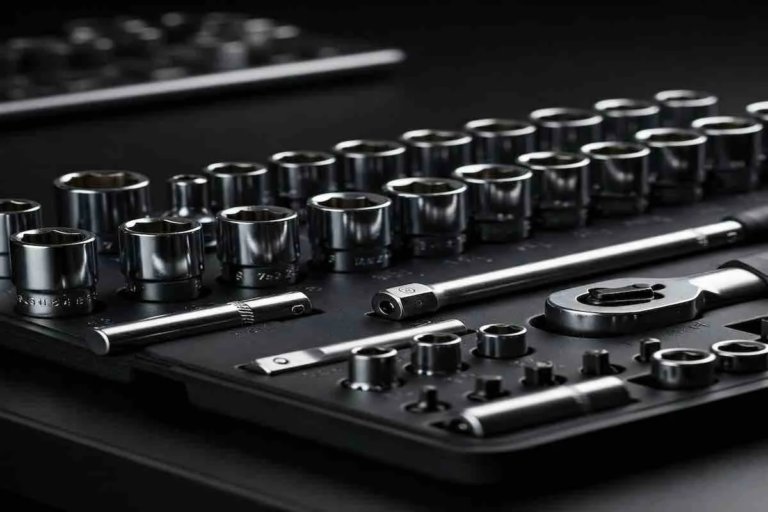
- Store in an organized, moisture-free environment to prevent rust and accidental damage.
Investing in a good socket organizer or rail system helps ensure quick access and prevents unnecessary wear.
Common Mistakes to Avoid
- Never use chrome sockets with impact tools.
- Don’t overlook routine inspections.
- Avoid improper storage practices that lead to premature wear and hazards.
By recognizing and avoiding these common pitfalls, you’ll significantly enhance both safety and efficiency in your workspace.
Conclusion
Impact socket safety isn’t merely about injury prevention; it’s integral to effective and sustainable tool usage. By consistently following these seven essential rules—ranging from proper PPE use and thorough inspections to correct tool operation—you ensure both personal safety and tool longevity.
Make safety a daily habit and enjoy the benefits of a safer, more productive workspace.
FAQs
Can impact sockets be used with regular hand ratchets?
Yes, but regular sockets shouldn’t be used with impact tools.
When should I replace impact sockets?
Replace sockets when they show signs of cracks, wear, or deformation.
6-point vs. 12-point sockets—which is better?
6-point sockets provide better grip for high-torque applications; 12-point sockets are ideal for lower-torque tasks.
Are impact sockets safe in wet conditions?
Extra precautions should be taken in wet conditions, such as maintaining dry surroundings and proper grounding.
Does temperature affect socket performance?
Extreme temperatures can affect the metal integrity; always store sockets in moderate conditions.
Related Articles from AutoToolSmart.com
- How to Select the Right Pneumatic Tools for Your Workshop
- Ultimate Guide to Cordless Impact Wrenches
- 5 Signs Your Impact Wrench Needs Maintenance
- Understanding Socket Types and Their Applications
- Best Practices for Maintaining Air Compressors